The Hidden Risk Behind LinkedIn’s ‘Open to Work’ Green Banner
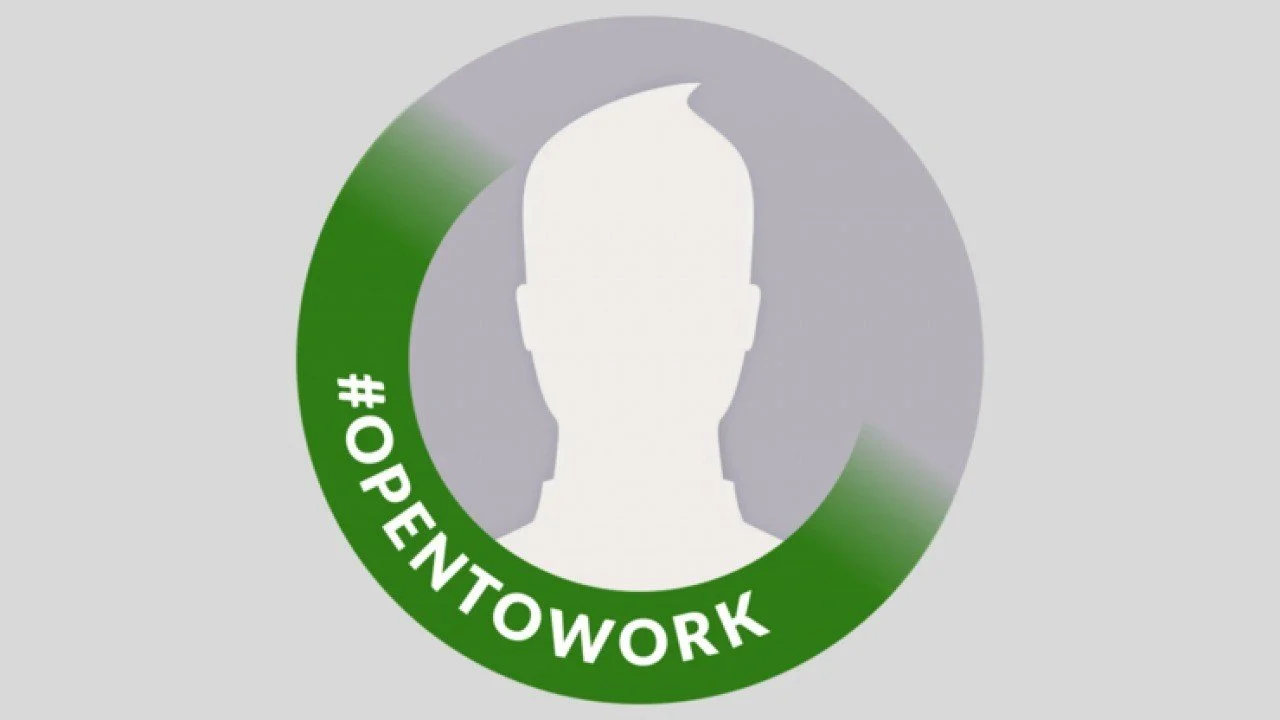
LinkedIn’s Public Open to Work Banner
One of the most common questions we get is:
Should I make my LinkedIn “Open to Work” status visible only to recruiters, or public to everyone?
There are pros and cons to both. But lately, we’ve seen a growing number of people with public green banners fall victim to scams.
Here’s how it usually plays out:
A LinkedIn member, let’s call him James, is contacted by a “recruiter” about a job. After expressing interest, the recruiter asks for his resume. So far, nothing seems out of the ordinary.
Then, the recruiter tells James he is perfect for the job, however, their special, patented AI powered Applicant Tracking System (ATS) gave his resume a low score. They offer to “optimize” his resume for a fee so he can be a top candidate for this one job.
They have played into every job seeker’s worst fear, that their resume will not get past the ATS.
These “optimizations” are usually just AI-generated resumes copied from ChatGPT, filled with irrelevant skills, outdated formatting, and even false information. We’ve seen these firsthand : full home addresses, “references upon request,” and other red flags that don’t belong on a modern resume.
One of our clients fell victim to this scam and receive an “ATS optimized” resume that got no results 6 month into his job search. He was approached 2 additional times with similar scams. When we actually optimized his resume and LinkedIn profile he started getting approached by real recruiters and landing interviews.
Another client received a message from a recruiter with the same spiel. He did not pay for this “service,” and (no surprise) the recruiter and job disappeared immediately.
So how can you protect yourself?
If you want to minimize your risk, consider setting your Open to Work visibility to “Recruiters only.”
Real recruiters use a professional LinkedIn Recruiter license that costs several thousand dollars a year. This tool gives them access to people who have marked themselves “Open to Work (Recruiters only)” — and there’s some level of verification involved.
Scammers are most likely use the free version of LinkedIn which means they can only see users who have the public green banner.
A few quick ways to spot fake recruiters:
Connection count: Genuine recruiters typically have 500+ connections. To check their exact number, scroll to their Activity section. It shows total followers. Scammers often have very few connections.
Activity level: Are they active on LinkedIn? While not foolproof, consistent posts and engagement lean toward this being a legitimate profile.
Syntax: If the language of the message seems off, this could be a bot or non-English speaker using a translation program.
Join date: This one’s critical. Go to the top of their profile, click More → About this profile. You’ll see when they joined LinkedIn, recent updates, and if they’ve been verified. A recent join date is a huge red flag.
LinkedIn Join Date
Final Thoughts
The green “Open to Work” banner can be helpful but also risky.
If you’re highly active on LinkedIn, with a large network and regular engagement, it can work in your favor by increasing visibility.
But if you’re not active, the banner won’t bring much benefit and might attract the wrong kind of attention.
Bottom line: Be cautious, stay aware, and remember — no real recruiter should ever charge you money to review or “optimize” your resume.